1 · Identify the vehicle
Start with one accurate vehicle identity.
Write down the exact vehicle before you work on the sales description: make, model, trim, version, body style, first registration date, fuel, gearbox, power, colour and mileage. Add the VIN to the private record and check every value against the registration document or a reliable source.
Separate facts into three groups: information required by the applicable market, information a buyer needs to compare vehicles and information that helps explain why this particular car is worth considering.
Exact identity
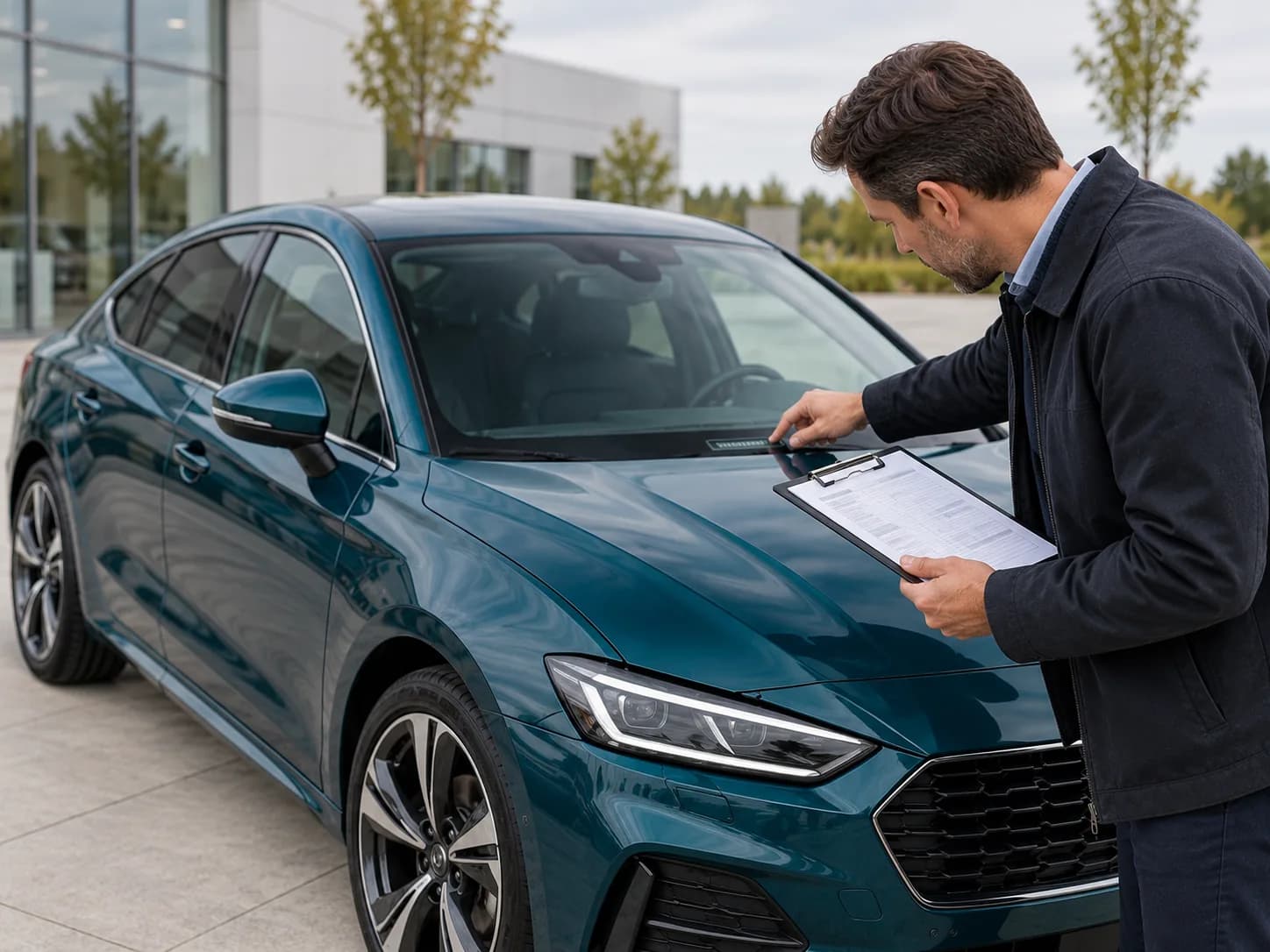
Make, model, version, variant, body style, first registration, fuel, gearbox, power, colour and number of seats.
Mileage you can support
Record the current odometer reading and keep the evidence that explains it. If the reading cannot be justified, follow the wording required in the market where the car is advertised.
Private VIN record
Keep the VIN and registration details in the vehicle file. Do not publish sensitive identifiers by default; share them only when the intended process requires it.
2 · Build the listing facts
Write a clear used car listing.
A buyer should not have to reconstruct the vehicle from a paragraph of marketing copy. Put the core facts near the top of the listing and keep the same values across the advert, sales sheet, invoice and showroom page.
Show the sales designation, first registration, supported mileage, full price, seller context and any material conditions in a clear, comparable format. Confirm the disclosures required for the market and transaction before publication.
Core listing facts
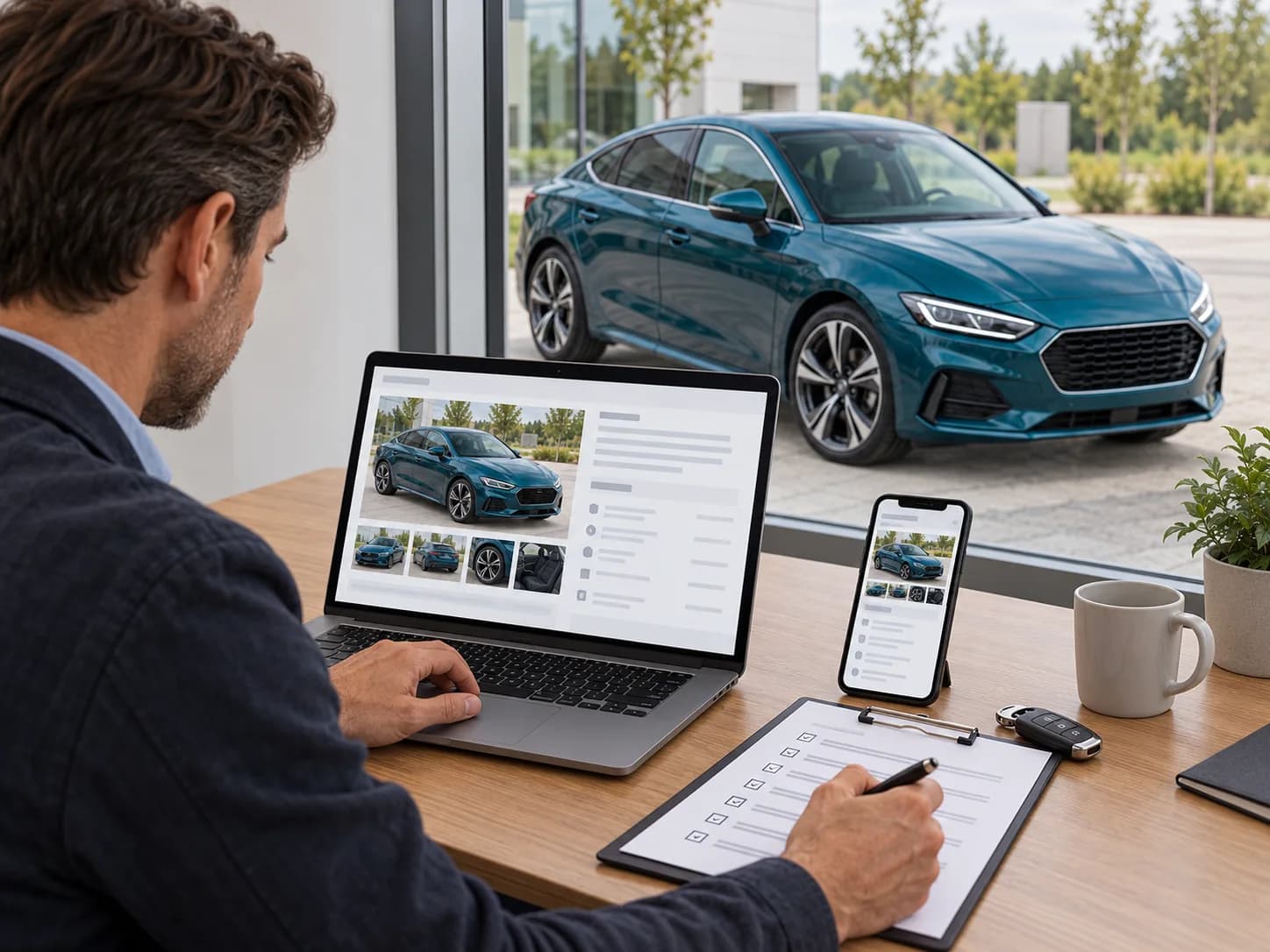
Vehicle identity, first registration, mileage, price, location, seller status and a direct way to ask a question.
Useful comparison facts
Fuel or powertrain, gearbox, power, seats, doors, colour, body style, consumption where relevant and the main equipment.
One version everywhere
Use the same spelling, mileage, price and equipment names in the advert, PDF, website and buyer messages.
Write a description buyers can use
Start with the version, mileage and condition. Add verified equipment and service history, then the price and contact details. If you use an AI car description generator, check every claim and review each translation before publishing.
3 · Describe the specification
Explain what the vehicle has, not only what it looks like.
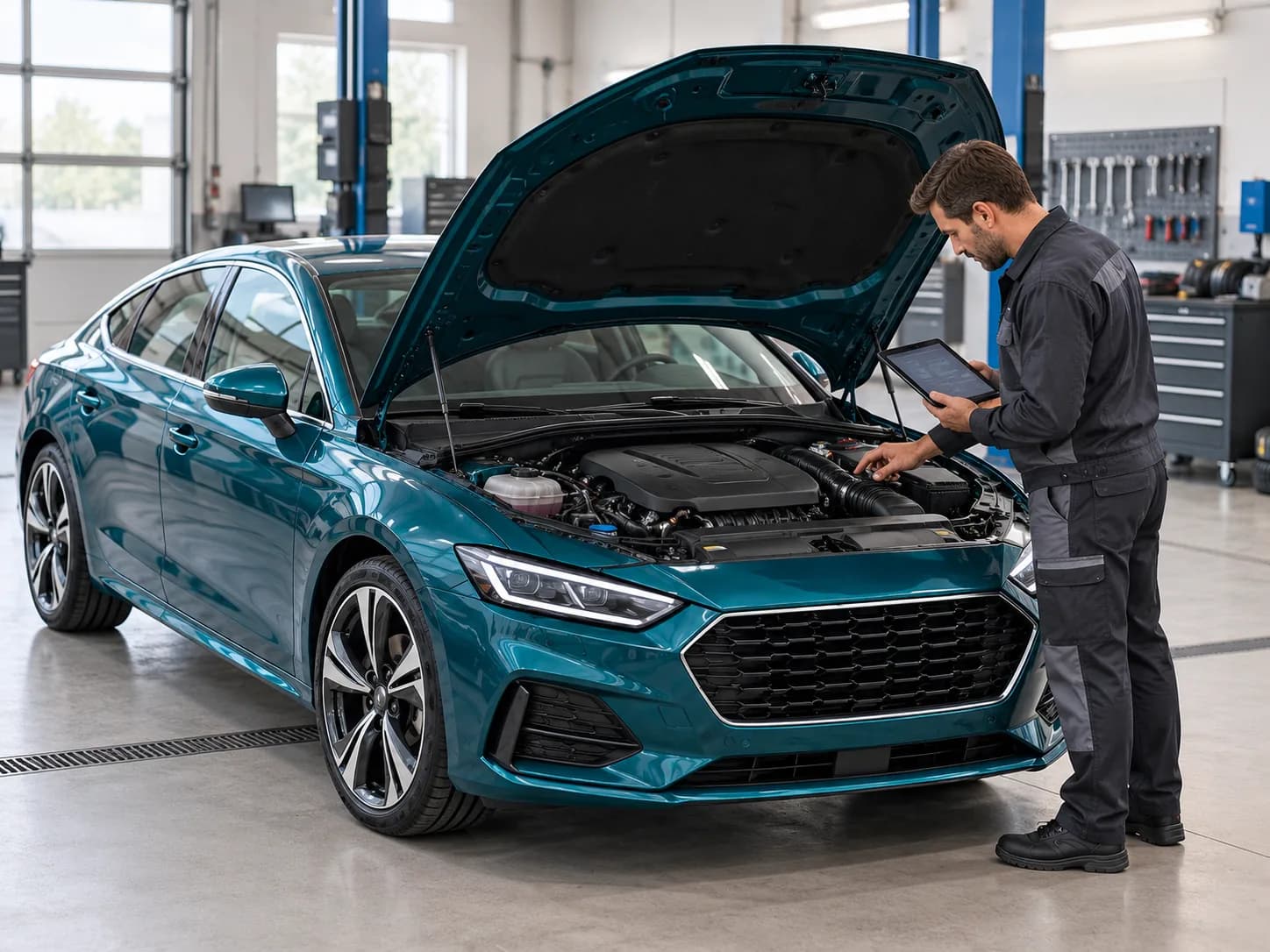
Equipment is a common search and comparison point for used car buyers. List standard and optional equipment separately when you can, and verify data imported from a VIN or catalogue: modifications, retrofits and market versions can change the original factory specification.
Keep the list readable. Group it into powertrain, comfort, multimedia, driver assistance, lighting, wheels, interior and practical equipment instead of hiding every feature in one long sentence.
Powertrain
Engine or motor, fuel or energy source, gearbox, transmission, power and any important charging or towing information.
Comfort and multimedia
Air conditioning, seats, heated functions, navigation, smartphone connection, audio and other equipment buyers may actively search for.
Safety and assistance
Parking sensors, cameras, adaptive systems, lighting, driver assistance and the equipment that affects everyday use.
Options and modifications
Say what is factory-fitted, what is an option and what was added later. Include the evidence or invoice when a modification matters to the sale.
4 · Describe the real condition
A credible listing shows the condition in context.
Clean the vehicle enough to make its condition legible, but do not turn preparation into concealment. Record scratches, dents, paint differences, wheel damage, tyre wear, windscreen marks, interior wear, warning lights and known mechanical or electrical issues.
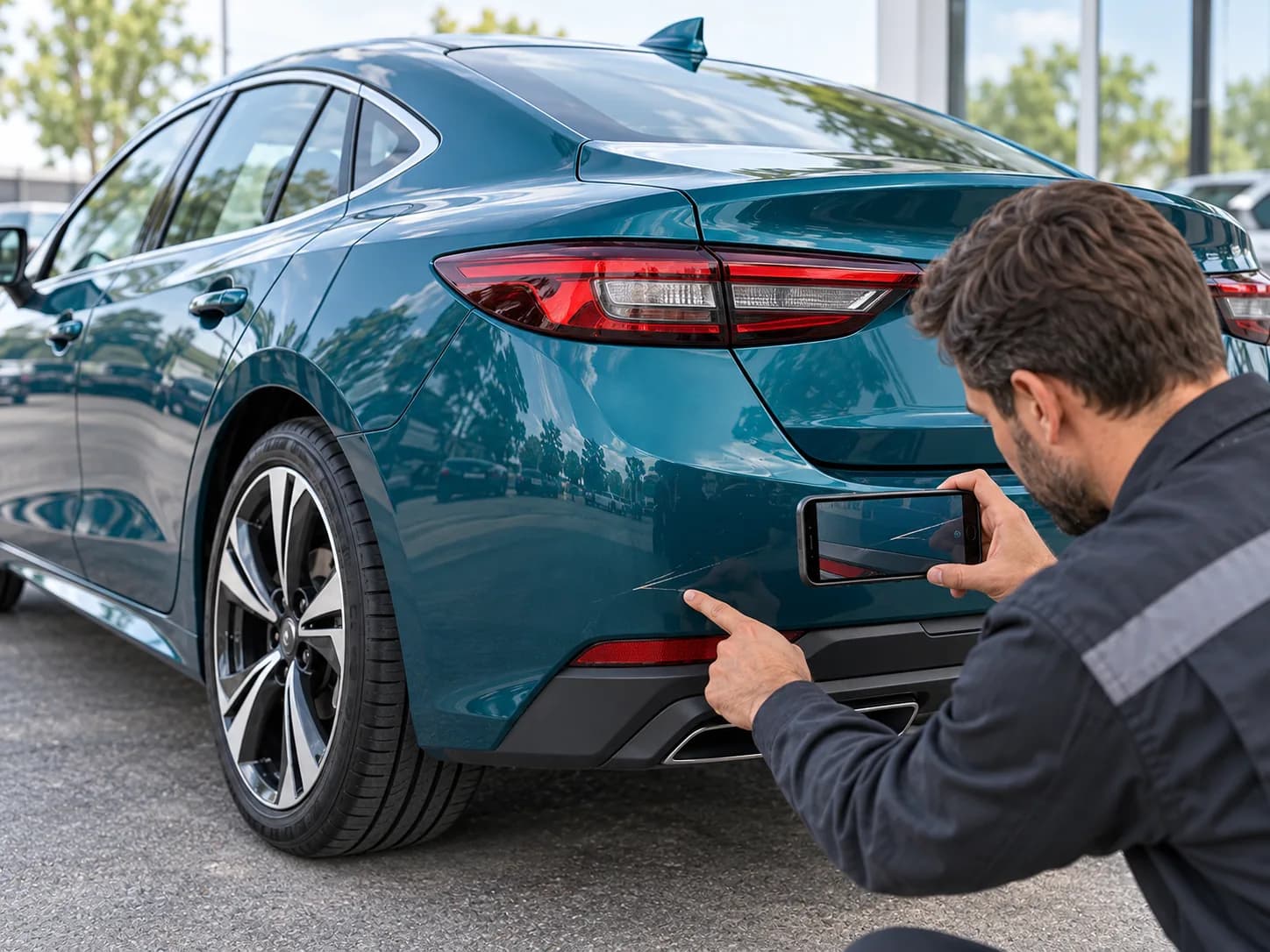
For every notable imperfection, combine a location view with a close-up. This gives the buyer both the scale and the position of the issue. The aim is not to make the vehicle look perfect; it is to make the decision understandable.
Show the location
Identify the panel, wheel or interior area so the buyer can understand where the issue sits on the vehicle.
Show the detail
Use a sharp close-up for scratches, chips, dents, scuffs, worn trim and other visible imperfections.
State what is known
Distinguish a visible observation from a diagnosis. If a repair was completed, keep the invoice or report with the vehicle record.
5 · Prepare the history
Turn scattered maintenance records into a readable timeline.
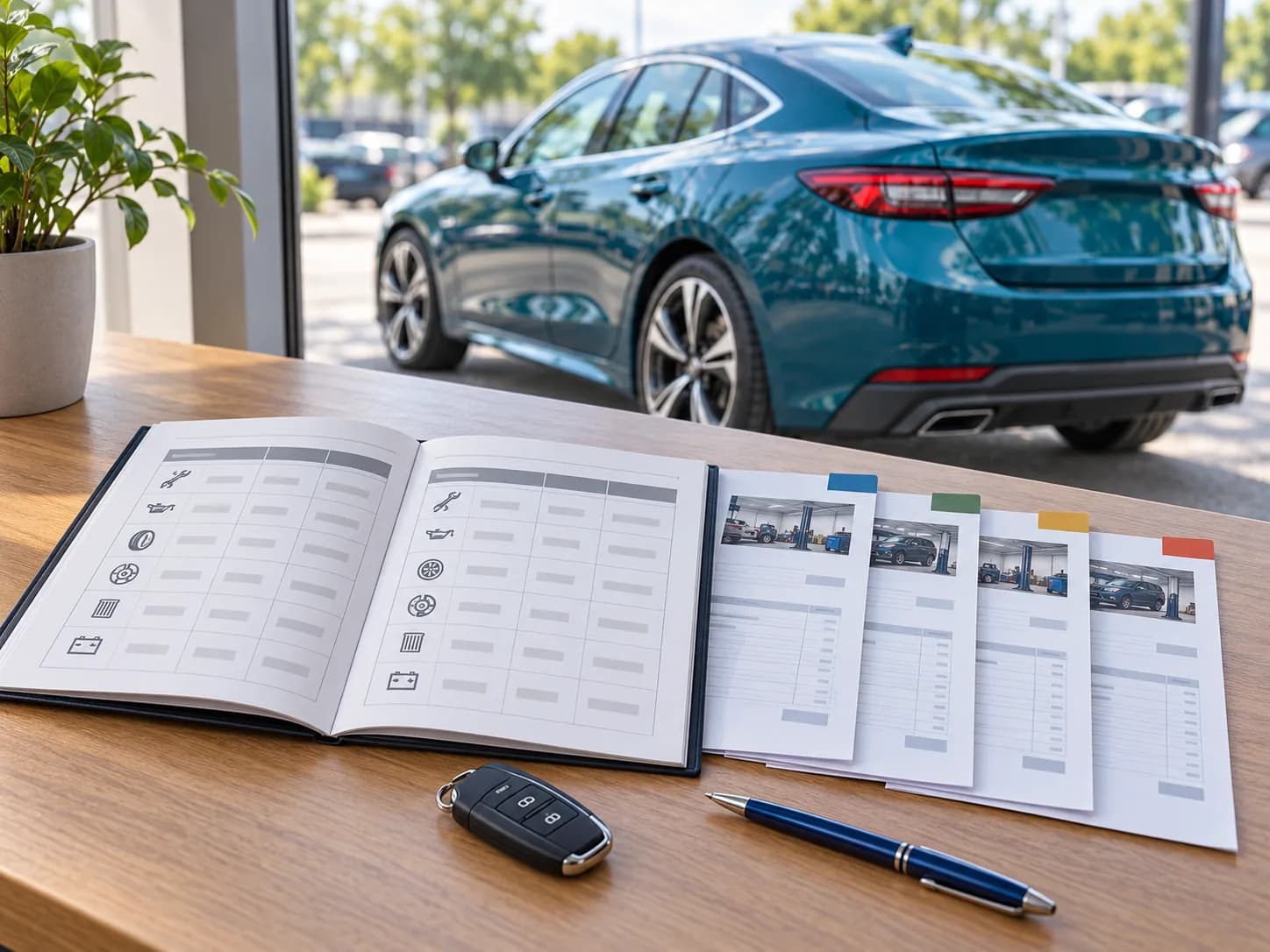
Bring together service dates, mileage, maintenance operations, repairs, parts replaced, invoices, inspections, owners and any declared incident. A short, chronological summary helps a buyer understand how the car has been used and maintained.
When an official or independent vehicle-history record is available for the transaction, keep it with the file and share it at the appropriate stage. Treat it as supporting evidence: it does not replace maintenance invoices, condition records or a professional mechanical inspection.
Maintenance timeline
Date, mileage, operation, workshop, parts replaced, invoice reference and the next known due date.
Ownership and use
Number of owners where known, company or private use, import context and any information that changes how the vehicle should be understood.
Reports and checks
Technical inspections, recall work, diagnostics, history records or independent reports. Link each statement to the evidence that supports it.
6 · Gather the documents
Prepare the paperwork before the buyer asks for it.
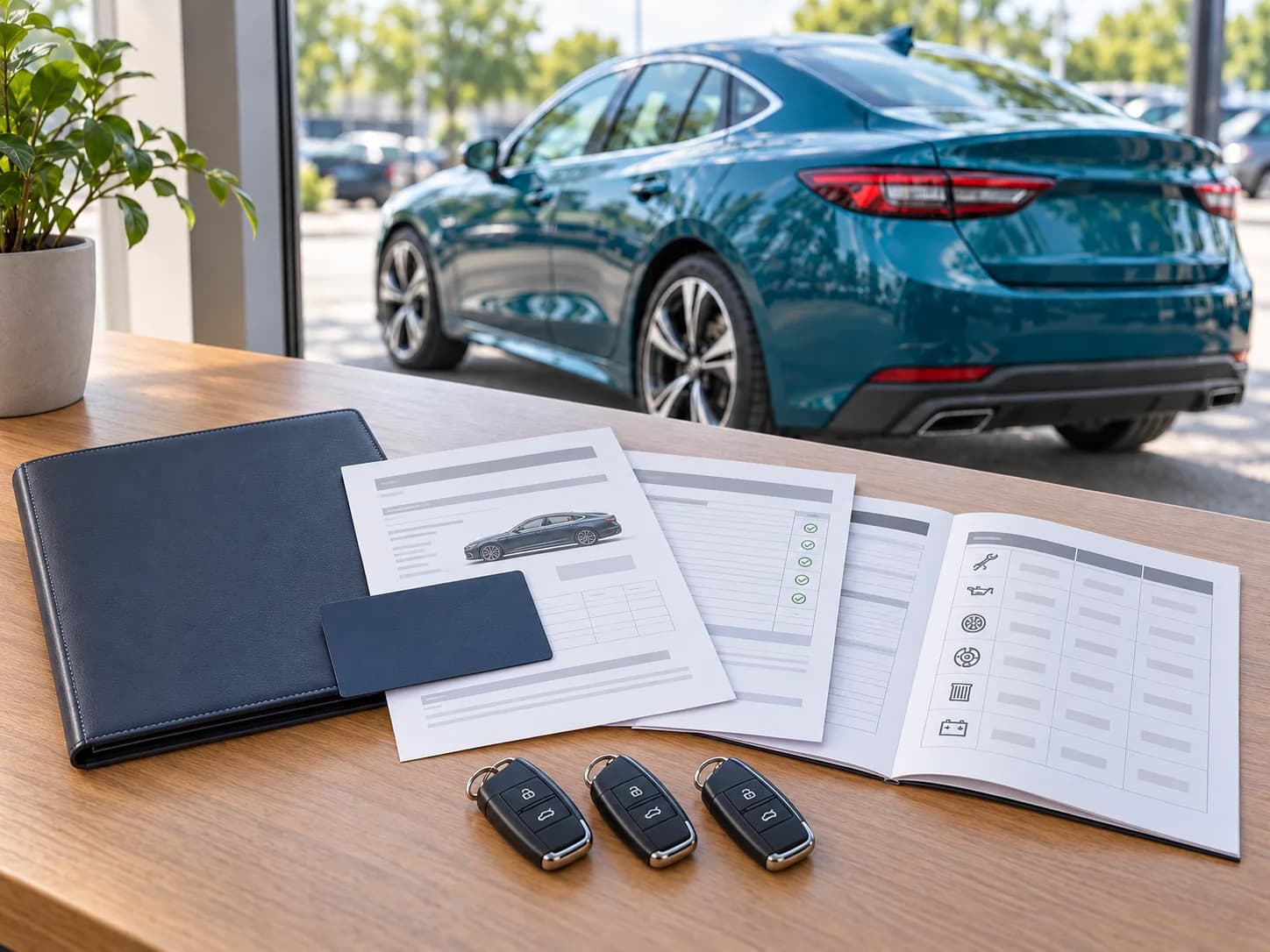
Build the document pack around the vehicle, seller type and intended transaction. Separate transfer documents that must be valid at handover from supporting records that help the buyer understand identity, ownership, condition and history.
Requirements and validity periods vary by market. Confirm the applicable process before publication and again before handover, while keeping personal and security-sensitive fields out of public listing media.
Required or applicable documents
Prepare the current registration or ownership record and confirm how it must be handled during transfer.
Prepare the transaction record required to identify the vehicle, seller, buyer and agreed transfer.
Check that the vehicle can be transferred and gather any status evidence required for the transaction.
Provide a valid inspection or roadworthiness record when the vehicle or transaction requires one.
Recommended to complete the file
Add the service record, maintenance and repair invoices, inspection history and useful workshop reports.
Add available history records, manuals, warranty terms, spare keys and every item supplied with the vehicle.
7 · Photograph the vehicle
Use photos to answer the buyer's first questions.
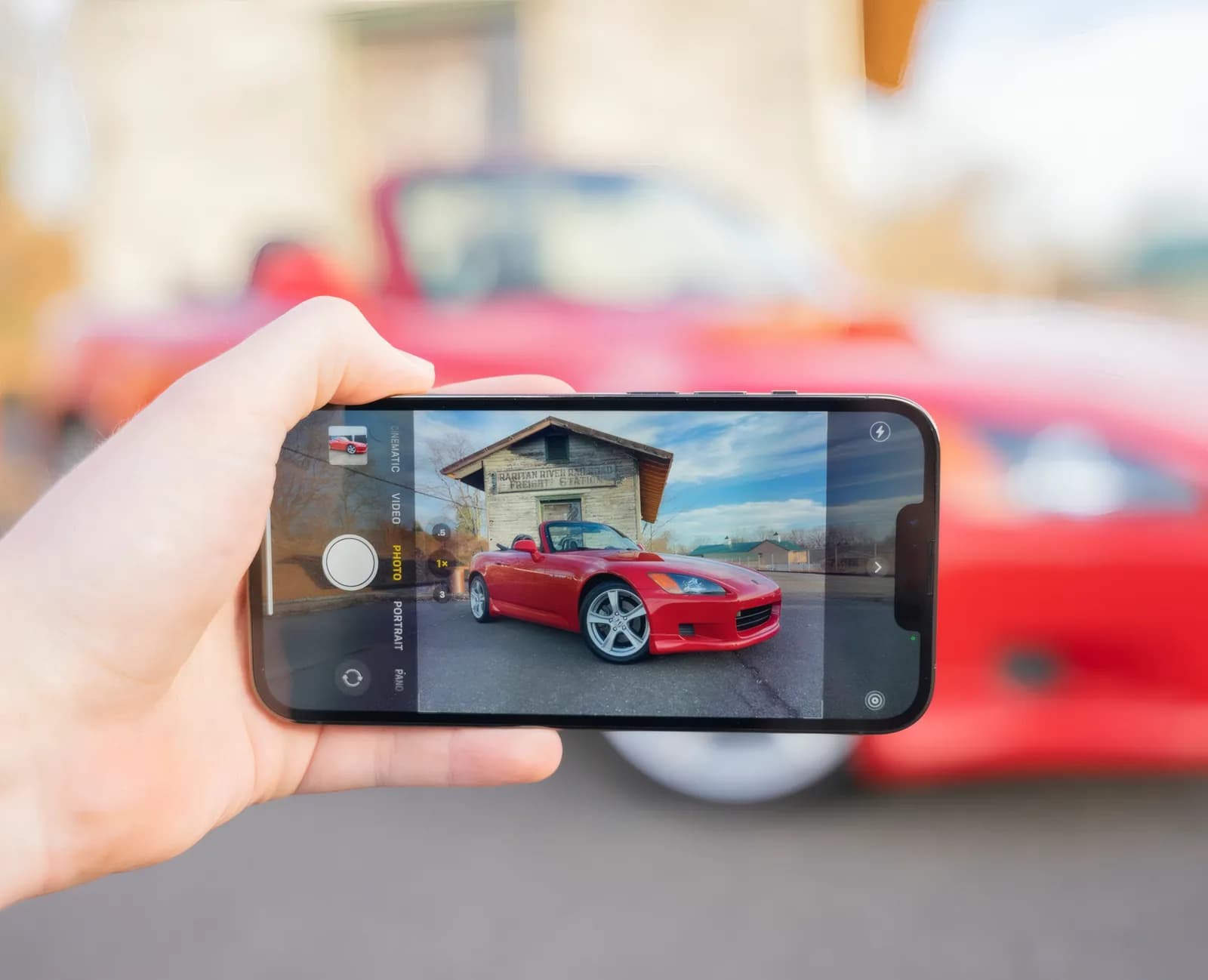
A strong used car listing photo set starts with complete exterior coverage, then adds the cabin, boot, odometer, engine bay, wheels, documents where appropriate and every relevant flaw. Keep the vehicle fully in frame and make the sequence easy to compare.
For a detailed shot list, use TrakarIA's dedicated car photography guide. It covers preparation, soft light, horizontal framing, eight exterior views, damage angles, interior evidence and the limits of a later background change.
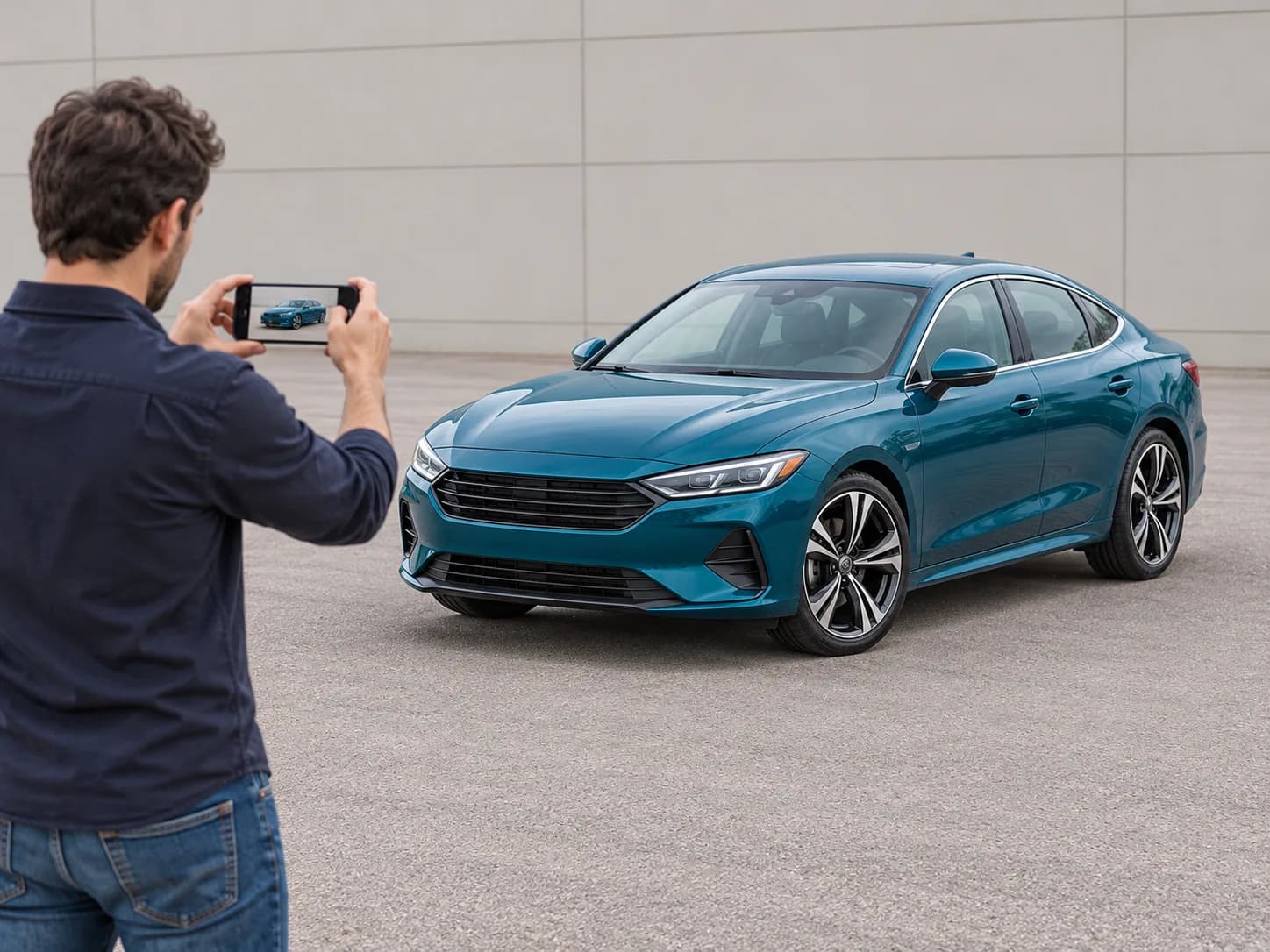
Complete exterior coverage
Front, matching three-quarter views, both side profiles and rear views give a buyer a reliable first read of the vehicle.
Useful detail coverage
Interior, odometer, boot, engine bay, wheels, tyres, equipment and visible imperfections complete the story.
Consistent capture
Use the same orientation, height, distance and light across the main set so the listing feels like one vehicle record.
8 · Assemble the vehicle sheet
Keep one source of truth before you publish.
A vehicle listing becomes easier to maintain when the facts, photos, documents, history and observations live in one structured file. From that record you can prepare an advert, a PDF sales sheet, a showroom page and a buyer response without retyping the same vehicle several times.
TrakarIA Vehicle Studio helps generate a car description from the reviewed vehicle details, equipment and photos, with versions in multiple languages. Review each version and choose which photos, information and documents to share in the vehicle presentation.
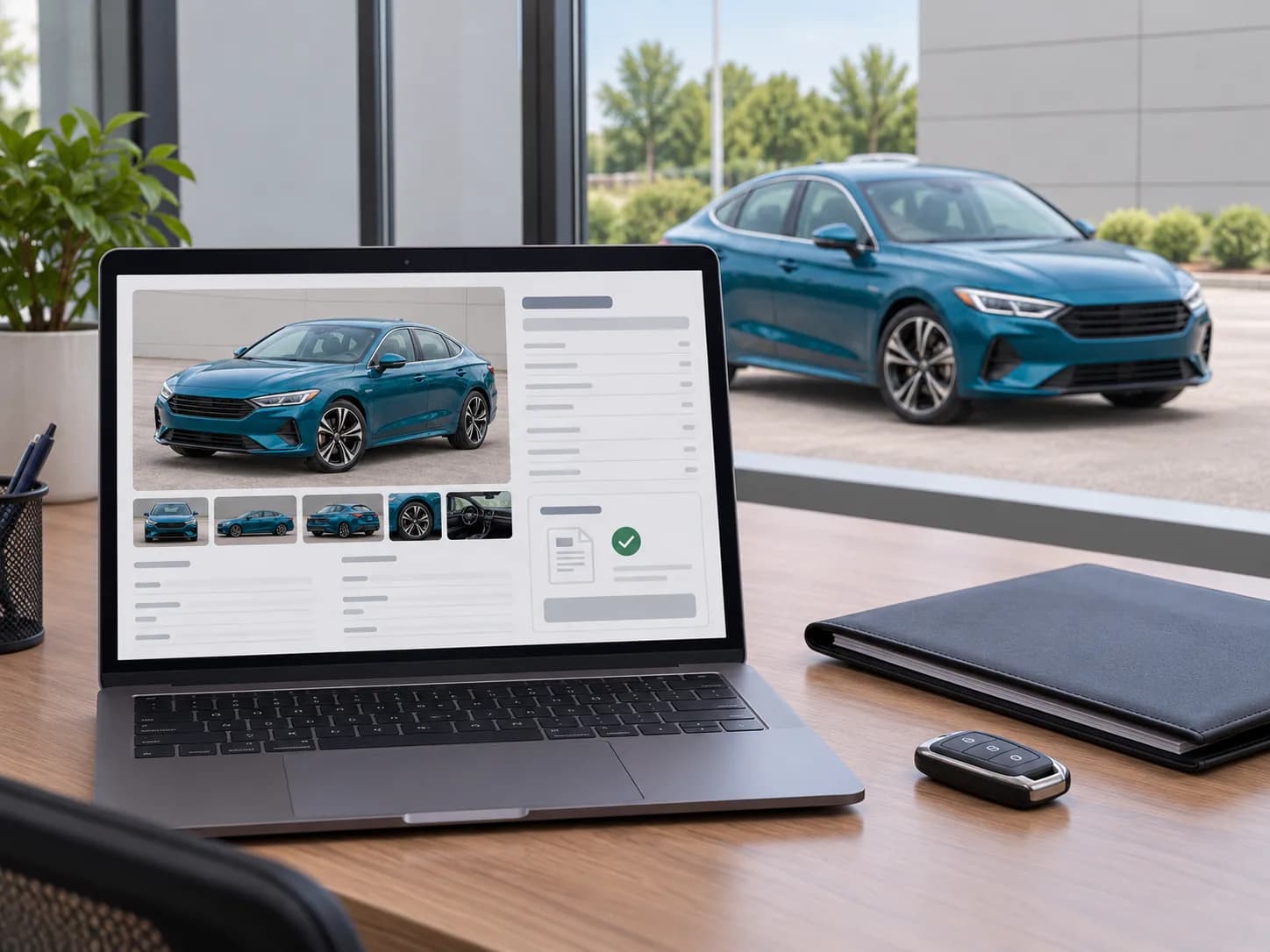
Facts in one place
Keep identity, specification, mileage, price, equipment, history and condition together instead of splitting them between folders and messages.
Reusable outputs
Use the reviewed record to prepare a listing, a PDF, a public showroom page or a direct buyer link.
Review before publishing
Check price, mileage, equipment, photos, privacy and known defects before the vehicle becomes public.
Keep the file current
When a price, mileage, status or photo changes, update the source record first and regenerate the outward presentation.
Before you publish
Final used car selling checklist.
Use this short check immediately before the listing goes live or the buyer receives the file.
Identity checked
Make, model, version, first registration, mileage and VIN record agree with the supporting documents.
Listing complete
Price, seller context, location, equipment and contact path are visible and easy to compare.
Condition disclosed
Known defects, wear, repairs and warning signs are described and shown in context.
Documents ready
The applicable transfer documents, inspection, history and maintenance evidence are gathered.
Photos reviewed
The exterior, interior, details and defects are sharp, complete, consistent and privacy-checked.
Source record current
The advert, PDF, showroom page and buyer messages come from the same reviewed vehicle file.
Questions before publishing
Questions about selling a used car.
What information should I include when selling my used car?+
Start with exact identity, mileage, price, specification, condition, history, documents, photos and a clear contact path. Put the facts before the sales language.
What documents do I need to sell a used car?+
Prepare the current ownership or registration record, the applicable transfer record, any required status or inspection evidence and the supporting maintenance file. Confirm the exact requirements for the intended transaction.
How many photos should I take to sell a car?+
There is no universal number. Cover every exterior angle, the interior, mileage, useful details and every visible flaw. A complete set is more useful than repeating the same attractive angle.
Should I share the vehicle history report?+
Share an available history record at the appropriate stage and keep the maintenance, inspection and repair evidence that supports the vehicle story.
What changes when a professional sells a used car?+
A professional seller should make identity, price, mileage, condition, seller information and material terms easy to verify, then confirm the disclosure and consumer-protection requirements that apply to the transaction.